
Transportation has always been the backbone of global commerce. From ancient trade routes to modern logistics networks, the ability to move goods and people efficiently determines how businesses grow, compete, and innovate. Today, the transportation sector is undergoing a historic transformation driven by technology, sustainability demands, and shifting consumer expectations. For companies worldwide, these changes are not just operational—they are strategic, shaping the way organizations design supply chains, plan investments, and serve customers.
The Rise of Smart Logistics
One of the most significant developments in the business-transportation landscape is the rapid adoption of smart logistics. Advanced technologies such as Internet of Things (IoT) sensors, automated warehousing, predictive analytics, and AI-driven route optimization are enabling companies to manage their supply chains with unprecedented precision.
IoT devices placed on cargo containers, trucks, pallets, and even individual items allow real-time tracking of location, temperature, humidity, and security. This level of visibility reduces losses, improves quality control, and supports just-in-time manufacturing. For retailers and e-commerce companies, these tools minimize stockouts and overstock situations, cutting unnecessary costs.
AI and machine learning systems analyze massive volumes of data to predict traffic patterns, weather disruptions, and customer demand. Transportation companies can then adjust routing, scheduling, and fleet management strategies on the fly. The result is a supply chain that is not only efficient but resilient—an essential quality in a world increasingly affected by geopolitical tensions and natural disasters.
Electric and Alternative-Fuel Fleets
Sustainability is now a business imperative, and the transportation sector sits at the center of global emissions discussions. In response, both private companies and public authorities are investing heavily in electric vehicles (EVs), hydrogen-powered trucks, and alternative-fuel fleets.
Electric delivery vans and trucks are becoming common in urban areas where governments enforce low-emission zones. For businesses, the shift is more than environmental—it’s financial. Lower fuel costs, fewer maintenance issues, and subsidies for green fleets make electric transportation an attractive long-term investment. Major logistics providers and retailers already operate thousands of EVs, using them for last-mile deliveries, warehouse transportation, and urban distribution.
Hydrogen-powered heavy trucks represent another promising avenue, offering long ranges and fast refueling times compared to battery-electric models. Although infrastructure remains limited, growing government support is accelerating adoption. As more companies commit to net-zero emissions, the transition toward cleaner transportation systems will only intensify.
Autonomous Vehicles and the Future of Freight
Autonomous transportation—once futuristic—now plays a growing role in business logistics. Self-driving trucks, delivery robots, and autonomous forklifts are already operating in controlled environments such as ports, warehouses, and industrial hubs.
Autonomous trucks could transform long-haul freight by reducing human error, improving fuel efficiency, and enabling round-the-clock operations. Pilot programs in the United States, Europe, and Asia show promising results, with trucks safely navigating highways using advanced sensors and AI perception systems.
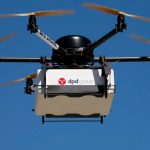
In warehouses, autonomous forklifts and robotic pickers speed up operations while reducing labor shortages. For last-mile delivery, ground robots and aerial drones are being tested to carry packages across short distances. While wide-scale deployment faces regulatory and technological hurdles, businesses are preparing for an era where automation significantly lowers transportation costs and increases reliability.
The Global Supply Chain Redefined
Recent global disruptions—from pandemics to geopolitical conflicts—have highlighted the fragility of international transportation networks. As a result, businesses are rethinking their supply chain strategies with a strong focus on resilience, diversification, and localization.
Transportation companies are creating multi-route, multi-modal networks that combine air, sea, rail, and road solutions to avoid single points of failure. Nearshoring and reshoring trends are accelerating, with companies building manufacturing facilities closer to key markets to reduce long-distance shipping dependency.
Digital freight platforms also play a key role by connecting shippers with carriers in real time, improving pricing transparency and reducing empty truck miles. These platforms function like marketplaces, helping businesses find capacity quickly and adapt to market volatility with flexibility.
Urban Mobility and the Business Opportunity
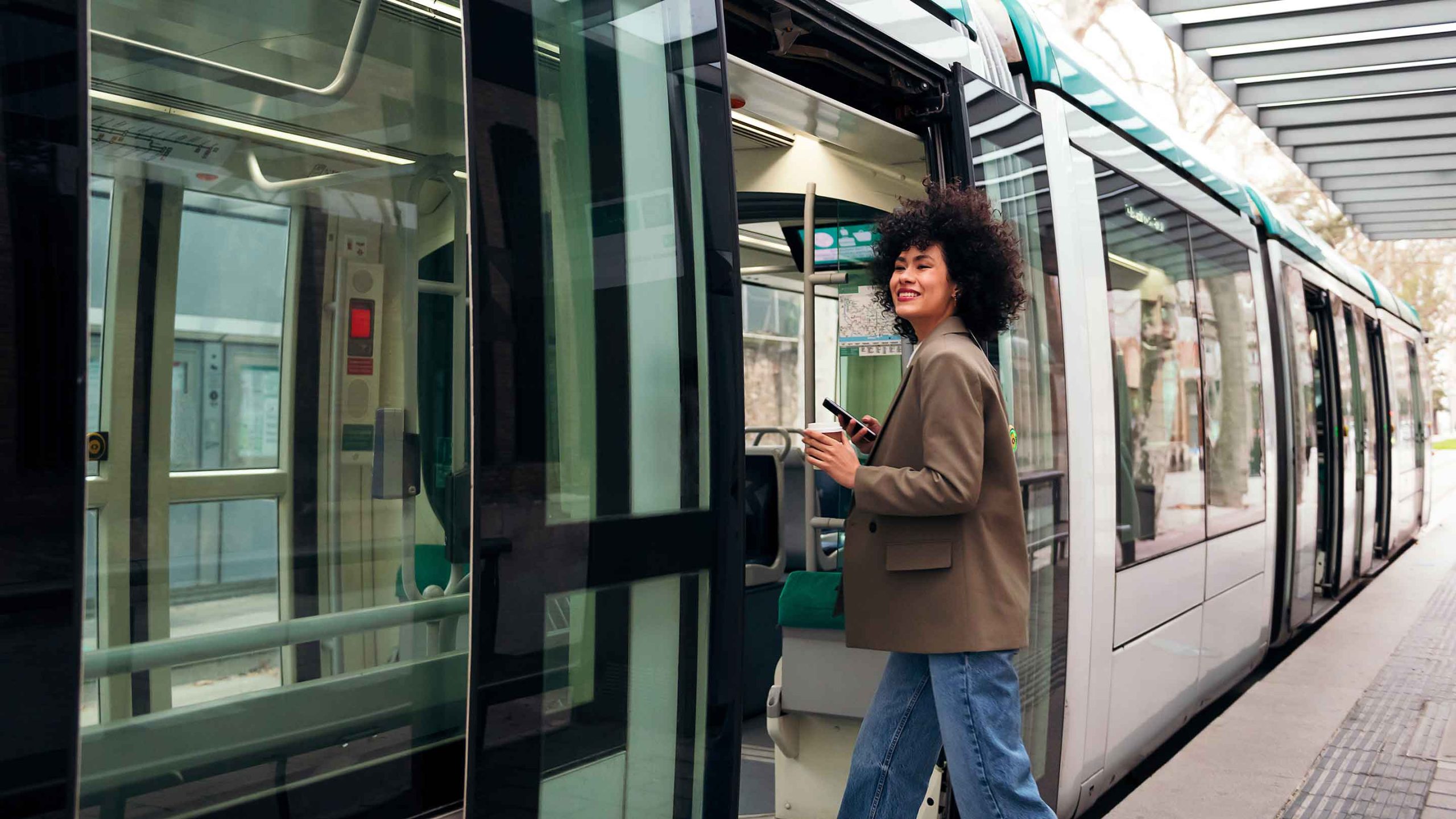
Transportation is not limited to goods—people movement is equally important. Cities worldwide are investing in intelligent transportation systems to improve mobility, reduce congestion, and enhance productivity. Businesses are benefiting from these advancements in several ways.
Shared mobility services such as ride-hailing, e-bikes, and e-scooters provide flexible commuting options for employees. Corporate mobility programs increasingly combine public transit with private services to reduce commuting times and carbon footprints.
Meanwhile, the rise of Mobility as a Service (MaaS) platforms integrates different transport modes into unified digital applications. This makes travel planning easier and gives businesses new opportunities to offer mobility benefits, reduce parking infrastructure, and support environmentally responsible commuting.
The Digital Transformation of Transportation Businesses
Digitalization is reshaping not just transportation technology but the business models behind it.
Traditional carriers and logistics firms are incorporating digital platforms, mobile apps, and automation tools to enhance customer experience. Features such as instant quoting, online booking, contactless delivery, and digital documentation have become essential in B2B and B2C sectors alike.
E-commerce growth continues to push transportation companies to adopt faster, more flexible delivery models. Same-day and next-day shipping—once a luxury—are now standard expectations in many markets. This evolution forces businesses to invest in micro-fulfillment centers, advanced routing algorithms, and high-capacity last-mile fleets.
Challenges Ahead
Despite rapid advancements, the transportation industry faces complex challenges:
-
High infrastructure costs needed for electrification and autonomous systems
-
Regulatory uncertainty across regions
-
Cybersecurity risks due to increased digital dependence
-
Skilled labor shortages in logistics and fleet management
-
Environmental pressures requiring continuous innovation
Businesses must balance innovation with caution, ensuring they adopt solutions that are scalable, secure, and cost-effective.

Conclusion: A New Era of Business Mobility
The transportation industry is at the forefront of global business transformation. Whether through smart logistics, sustainable fleets, autonomous technology, or digital platforms, transportation innovations are shaping the competitive landscape for companies in every sector.
Businesses that embrace these changes will unlock new efficiencies, reach new markets, and build more resilient supply chains. As technology continues to evolve, the link between transportation and business growth will only strengthen, driving the next era of global commerce.